 blog
Short Haiku Poems About Life That Stay With You
Last Updated: November 8, 2026
Quick Summary
Short haiku poems about life capture one moment in three lines, usually with a seasonal or nature image, and trust the image to carry the feeling. Traditional haiku follows a 5-7-5 syllable pattern, though many modern poets treat that count as a convention rather than a rule.
- A haiku's three lines each have a job: set the scene, add the turn, land the feeling.
- Line three should shift the feeling rather than repeat lines one and two.
- Cut every word that explains the emotion, such as sad or beautiful.
- Start with one real moment you saw, not a theme you want to write about.
- The most common mistake is writing line three as a moral instead of an image.
Table of Contents
- Why Short Haiku Poems About Life Say So Much With So Little
- Haiku Examples 5-7-5: Counting Syllables Without Losing the Feeling
- Short Haiku Poems About Life Lessons
- Short Haiku Poems About Life Struggles
- Funny Short Haiku Poems About Life
- How to Write Your Own Short Haiku Poems About Life
- Find More Haiku Poems to Keep Close
- Frequently Asked Questions
Why Short Haiku Poems About Life Say So Much With So Little
A haiku can hold a whole life in seventeen syllables. That sounds like an exaggeration until you read a good one.
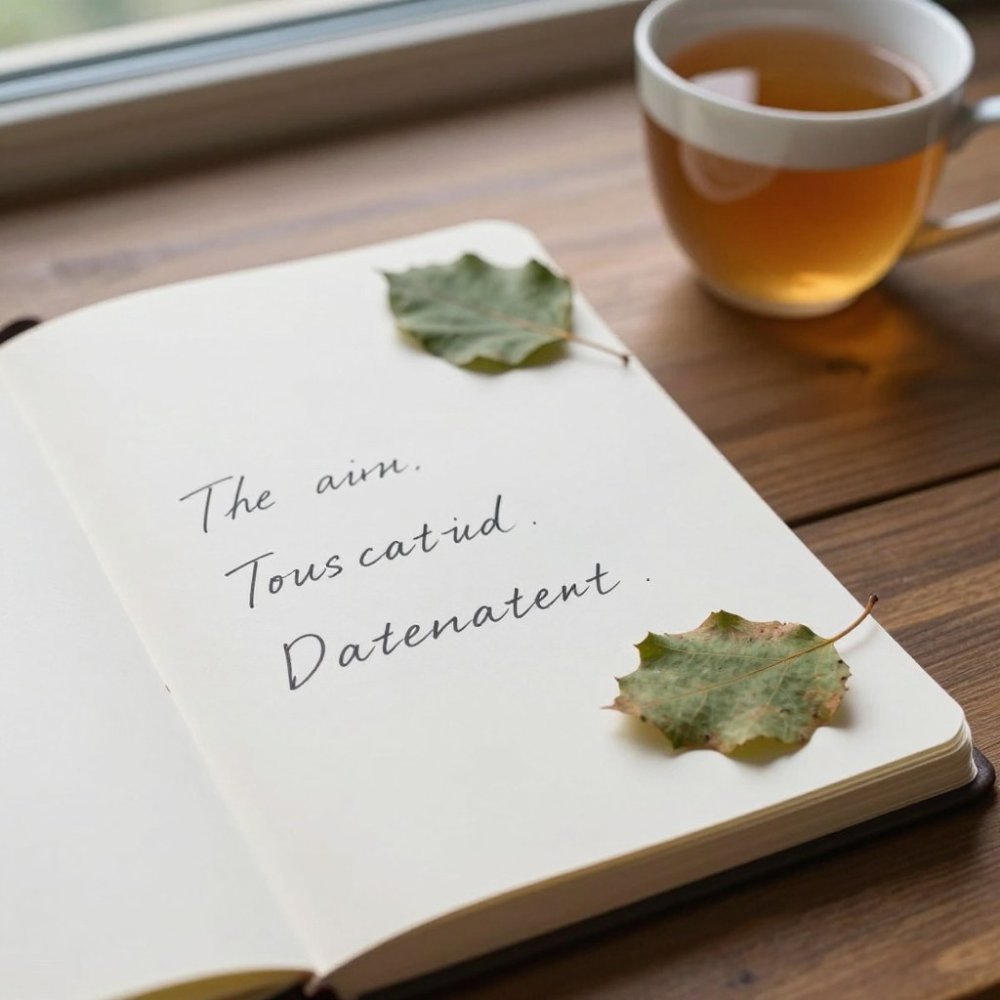
This guide collects short haiku poems about life, grouped by what they speak to: lessons, struggles, and the funny things that happen in between.
A haiku is a short poem of three lines that captures one moment, usually with a seasonal or nature image. The form began in Japanese poetry and has been adapted around the world. What makes it last is not the length. It is the focus.
Most poems try to explain a feeling. Haiku trusts the image to carry it. That is why a poem about a pond or a breeze can say something true about grief, hope, or a Tuesday afternoon.
How a Haiku Works: Three Lines, One Moment
Traditional haiku follows a 5-7-5 syllable pattern across three lines: five syllables, then seven, then five.
Here is the structure at a glance:
| Line | Syllables | Job |
|---|---|---|
| Line 1 | 5 | Set the scene or season |
| Line 2 | 7 | Add the turn or detail |
| Line 3 | 5 | Land the feeling |
Syllables
Two more features matter. A seasonal reference grounds the poem in time, whether it is spring, mist, or falling leaves. And the poem usually holds two images side by side, letting the reader feel the link rather than being told it.
That is the whole engine. Small observations, vivid imagery, quiet moments. Nothing more is needed.
Haiku Examples 5-7-5: Counting Syllables Without Losing the Feeling
Haiku examples 5-7-5 are easiest to learn by reading them aloud and tapping the beat. Count the syllables in each line, then notice how the feeling survives the strict count. The pattern is simple to state and surprisingly hard to execute well, which is why reading annotated examples teaches more than memorizing the rule.
Here is one original example:
Morning frost on grass, footprints fading in the cold, someone walked here first.
Five, seven, five. The poem does not say "I feel connected to strangers." It shows footprints and lets you arrive at the feeling yourself. Line one sets the season and the surface.
A second example, also original to this guide:
Kettle starts to sing, steam fogs the kitchen window, day begins again.
Count it: five, seven, five. The seasonal hint is indirect, a cold-morning kitchen. The turn happens in line three, where a household sound becomes a small statement about routine and renewal.
Reading the Count Without Losing the Meaning
When you evaluate a 5-7-5 haiku, check three things in order. First, does each line have a job? Line one usually sets scene or season, line two adds a detail or turn, line three lands the feeling. Second, are there two images held side by side? The gap between them is where the meaning lives. Third, does any word explain the emotion?
A common pattern among beginners is a padded middle line. Seven syllables invites filler, so writers add adjectives that add sound but not image. Cutting one adjective often improves the poem even if the count then runs short. Most practitioners find that a clean poem at fourteen or fifteen syllables reads better than a stiff one at exactly seventeen.
When the 5-7-5 Rule Bends
The 5-7-5 pattern is a tradition, not a law. Many modern haiku poets write shorter or longer lines and keep the spirit instead: one moment, two images, a seasonal hint. English syllable counting also differs from Japanese sound units, which is one reason strict 5-7-5 is treated as a convention rather than a requirement in English-language haiku. Just as a haiku finds meaning in an ordinary moment, Nova Basi reminds us that daily routines can offer their own quiet space for reflection.
So if your line runs to six syllables and the poem still lands, keep it. The count serves the poem, never the other way around. Beginners often sacrifice meaning to hit seventeen syllables, and the result reads stiff.
A Note on Attribution and Original Work
The examples in this section are original poems written for this guide, not translations of traditional Japanese haiku. That distinction matters when you share poems online.
If you want a deeper set of counted examples in a reflective mode, our guide to mindful haiku for daily practice pairs poems with short reflections you can read in a quiet minute.
Short Haiku Poems About Life Lessons
Short haiku poems about life lessons tend to work best when they stay concrete.
Here are three to sit with:
Empty cup on wood, the tea is gone, the warmth stays, learn to hold the steam.
Old tree, bent and scarred, still it reaches for the sun, nothing is wasted.
Rake the fallen leaves, the yard looks bare for a week, then the green returns.
Each poem carries a reflection without preaching. The first is about memory and what lingers after a loss.
Short Haiku Poems About Life Struggles
Short haiku poems about life struggles work because they do not look away.
Rain against the glass, the storm does not ask my name, I learn to listen.
Dark before the dawn, even the smallest candle changes the whole room.
Notice the pattern. Each poem holds sadness and resilience in the same breath.
That balance is what makes haiku so useful in hard seasons.
For readers who want more poems in this hopeful register, our collection of uplifting poetry for hard times goes further into resilience and recovery.
Funny Short Haiku Poems About Life
Funny short haiku poems about life are the release valve.
Alarm rings at six, I bargain with the morning, morning does not care.
Lost my keys again, the couch has eaten them whole, couch says nothing back.
Diet starts today, the cookie on the counter has a different plan.
The humor comes from the same place as the wonder.
Try writing one about your own week.
How to Write Your Own Short Haiku Poems About Life
Writing your own short haiku poems about life takes about ten minutes once you know the steps. The trick is to start with a real moment, not an idea. Most failed haiku begin with a theme ("I want to write about grief") and then hunt for an image. Working haiku begin with something you actually saw and then discover what it means.
Follow this process:
- Pick one moment. Not a whole day. One moment: the kettle boiling, a text you did not send, the first cold morning.
- Write it plainly. One sentence, no poetry yet. "I watched the last leaf fall."
- Find the season or setting. Add the time of year or the weather. "Frost on the window."
- Build three lines. Aim for 5-7-5. Count on your fingers. Cut every word that explains.
- Add the turn. Line three should shift the feeling, not repeat lines one and two.
- Read it aloud. If you stumble, the line is too long or too clever.
- Trim again. Remove one word. If the poem still works, remove another.
Observation Prompts for Life Haiku
The hardest part is noticing. These prompts are designed to be answered in one sentence each, then shaped into three lines. Pick one per day for a week.
- Morning: What is the first sound you hear, and what does it promise or threaten about the day?
- Kitchen: What object in your kitchen shows wear from use, and who wore it?
- Window: What has changed outside your window since last week?
- Pocket: What is in your pocket or bag right now that you have carried for years?
Each answer is raw material. Do not try to make it poetic yet. The poem comes from cutting, not from adding.
Drafting Exercises That Build the Turn
The turn in line three is the skill most writers need to practice. Try these three exercises.
The two-image exercise. Write two unrelated observations from the same day, one nature image and one human image. Place them in lines one and two. Let line three be a single concrete detail that links them without explaining the link.
The cut exercise. Take a finished draft and delete every adjective and adverb. Read it. Add back only the words whose absence changes the image.
The season swap. Write a poem about a moment, then rewrite it as if the same moment happened in a different season.
A Quick Checklist Before You Call It Done
- One clear moment, not two
- A seasonal or nature image
- Line three turns the poem
- No word explains the feeling
Watch out: the most common mistake is writing line three as a moral. "Nature teaches us to let go" is a lesson, not an image. Replace it with something you can see, and the poem doubles in power.
If you want structure and company while you practice, our step-by-step guide on practicing haiku for mindfulness walks through a daily writing habit.
Find More Haiku Poems to Keep Close
The best haiku do not stay on the page. They follow you to the bus stop, into the kitchen, through a hard week.
Steven A. Yagyagan writes from the heart, and haiku is part of that work.
If this collection gave you something, go further. Haikus For Life Volume 2 gathers a full set of poems in the same spirit, and you can find Steve's books on Amazon in the format you prefer.
A single haiku can change the tone of a whole day. That is the quiet power of the form, and it is what we build every collection around.
Frequently Asked Questions
What are some short haiku poems about life lessons?
Life-lesson haiku tend to turn a small observation into a quiet rule for living. A poem about a bent tree in wind becomes a lesson in flexibility; a poem about sweeping leaves becomes a lesson in letting go. The form works because the image does the teaching and the reader supplies the meaning. When you read a collection, look for the ones where the third line shifts your view of the first two, since that turn is where the lesson usually sits.
Does a haiku have to follow the 5-7-5 syllable pattern?
In English, 5-7-5 is a convention rather than a law. Traditional Japanese haiku count sounds (morae) rather than English syllables, so the two never map exactly. Many contemporary poets write three short lines that keep the spirit of the form, a seasonal or everyday image plus a turn, while letting the syllable count fall where the language sounds natural. Learning haiku examples 5-7-5 first is still useful, because counting forces you to cut every unnecessary word.
How do you write a short haiku about life?
Start with one moment you actually noticed today: a sound, a small frustration, a change in the weather. Write it in three lines, aiming for roughly 5, 7 and 5 syllables. Keep the first two lines as pure image and let the third line turn, comparing, questioning, or quietly concluding. Read it aloud and remove any word the poem does not need. Most first drafts improve by a third when trimmed, and the result reads more like a life observation than a greeting-card line.
Can haiku about life be funny?
Yes, and humor fits the form well. Funny short haiku poems about life usually come from taking an ordinary annoyance seriously for two lines and then deflating it in the third: a lost sock, a meeting that could have been an email, a plant that survives neglect but not care. The strict three-line shape makes the punchline land harder because the setup is so short. The humor stays gentle rather than cruel when the joke is aimed at the situation, not at a person.